Perfection is Overrated: The Flaw That Fuels Growth

Updated: Nov 27, 2024
In a world obsessed with perfection—pristine resumes, flawless careers, polished LinkedIn profiles—we often forget that true creativity and growth don’t come from perfection. They come from the cracks, the flaws, the so-called "mistakes" that reveal who we truly are and allow us to stretch, stumble, and ultimately evolve.

Take Michelangelo. The master sculptor didn’t just aim for perfection; he celebrated imperfection. Legend has it that after completing one of his masterpieces, he deliberately threw his chisel at the marble, leaving a mark on the flawless surface. His reason? To show that the sculpture was alive, human even. Perfection, in its cold rigidity, has no room for humanity, no space for growth. It is the imperfections that make us relatable, memorable, and ultimately great.
“The sculpture is already complete within the marble block, before I start my work. It is already there, I just have to chisel away the superfluous material.” ―Michelangelo
Turning "Mistakes" Into Opportunity
I did something bold, Today! While applying for a dream role at an ad agency, I deliberately left placeholder text in my email—“[Insert Portfolio Link]” where my actual portfolio should have gone.

Crazy? Maybe. Intentional? Absolutely.
Why? Because I wanted to explore how we react to imperfection. In a world where even AI tools like ChatGPT are expected to be error-free yet inherently learn from their own mistakes, shouldn’t humans also be given the same room to grow? If perfection is unattainable, why are we all striving for it? Why are we not celebrating the power of learning, failing, and improving?
The Truth About Mistakes and Growth
Consider these statistics:
75% of resumes never make it to a recruiter’s desk due to minor, often fixable errors.
68% of job seekers use AI tools like ChatGPT to polish their applications, chasing a robotic standard of perfection.
Even so, 40% of job seekers are rejected for subjective reasons—they didn’t fit the mold.
So, what does this tell us? It tells us that the obsession with being flawless is misplaced. It tells us that we’ve built a culture that punishes mistakes instead of recognizing their potential for growth.
But here’s the truth: growth doesn’t happen in perfection. It happens in the aftermath of imperfection—in the learning, the reflection, the innovation sparked by what went “wrong.”
Designing Imperfection

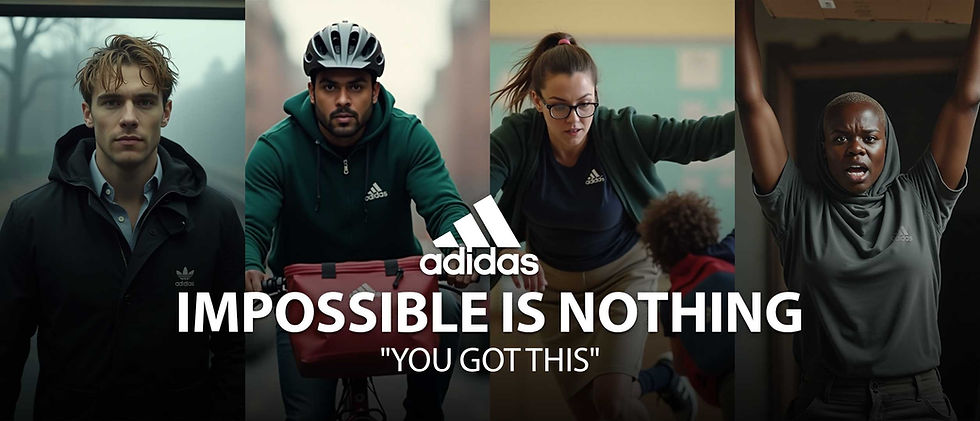
To turn my "mistake" into an opportunity, I created an ad about it. The headline read: “An Honest Mistake… And the Start of Something Remarkable.”
The ad wasn’t an apology; it was a celebration of imperfection. It was a declaration that mistakes are not liabilities—they’re stepping stones. They show resilience, creativity, and the ability to turn a slip-up into a story worth telling. If Michelangelo’s chisel marks could breathe life into stone, why can’t my deliberate imperfection breathe life into my story?
To Employers and Creatives Everywhere
Here’s my challenge to recruiters, hiring managers, and everyone chasing perfection: stop looking for flawless resumes and perfect candidates. Instead, look for the chisel marks—the people who have stumbled, learned, and come back stronger. The ones who see imperfection as an opportunity, not a flaw.
As for me? I’ll keep making mistakes—not because I’m careless but because I’m unafraid. Mistakes are not the end of the story; they’re the beginning. And in the right hands, they’re what makes the story remarkable.


Comments